Why Mouse Exclusion Services Matter for Long-Term Rodent Control
When you find the first dropping in a kitchen drawer or hear scratching in the attic at night, the instinct is to grab whatever trap is closest. I have been there myself, setting snap traps in a crawlspace only to find them untouched the next morning. The problem is that trapping alone treats the symptom, not the cause. Mice are relentless about finding new ways inside, and if the structural gaps that let them in remain open, you will be resetting traps forever.
That is where mouse exclusion services become the real foundation of a rodent management plan. Instead of just removing the mice that are already inside, exclusion focuses on sealing every potential entry point so that new ones cannot get in. It is a shift from reactive removal to proactive prevention, and it changes the entire dynamic of a pest problem.
Understanding the Difference Between Trapping and Exclusion
Trapping is a critical tool. Havahart traps, TOM CAT glue boards, Victor Electronic Traps, and classic snap traps all have their place in a comprehensive strategy. They reduce an active population quickly and can confirm which species you are dealing with. But trapping has a fundamental limitation: it does nothing to stop the next generation of mice from walking through the same hole in the foundation vent or under the garage door.
Exclusion, on the other hand, addresses the root cause. A mouse can squeeze through a gap the size of a dime. That means a crack in the foundation, a loose piece of siding, or a missing seal around a pipe can become a highway for rodents. Rodent exclusion work involves inspecting every inch of the structure, identifying those gaps, and then sealing them with the right materials. Steel wool, hardware cloth, and caulk are the standard tools, but the skill is in knowing where to look and how to apply them so the repair lasts.
Entry Points That Often Get Overlooked
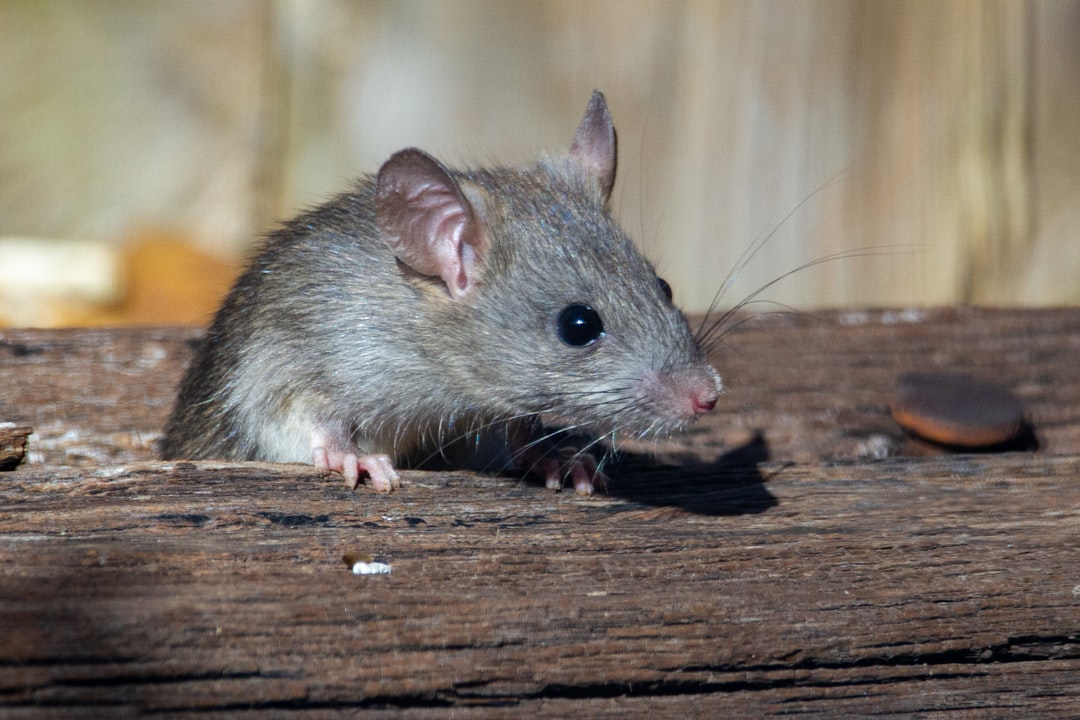
In my experience, most homeowners focus on obvious openings like gaps around doors or broken windows. But mice are expert climbers and can enter through places you would never think to check. Garage doors are a classic example. The rubber seal along the bottom often has a slight gap, especially on older doors, and mice will squeeze right under it. Foundation vents are another common entry point. They are designed to let air circulate under the house, but if the mesh covering them is rusted or missing, they become an open invitation.
Other frequent entry points include:
- Gaps where utility lines enter the house, such as gas, water, or electrical conduits.
- Cracks in the foundation or around window frames.
- Openings around dryer vents or exhaust fans.
- Spaces where the roofline meets the siding, especially if soffits are damaged.
- Areas around basement windows that are not properly sealed.
Each of these requires a specific approach. For small gaps, steel wool mixed with caulk works well because mice cannot chew through the steel fibers. For larger openings, hardware cloth or metal flashing provides a durable barrier. The key is to use materials that mice cannot gnaw through. Foam insulation alone is useless; mice will chew through it in minutes.
How Mouse Exclusion Services Fit Into an Integrated Pest Management Plan
Integrated Pest Management, or IPM, is a framework that pest control professionals use to address infestations with minimal reliance on chemicals. It emphasizes prevention, monitoring, and targeted interventions. Mouse exclusion services are a perfect example of IPM in action. Instead of starting with poisons or widespread baiting, the first step is to make the environment less hospitable to rodents.
Exclusion reduces the need for repeated trapping and chemical treatments. When you seal the building properly, the mouse population outside cannot replenish the ones you remove inside. Over time, the number of mice around the structure declines because they cannot find a way in. This is especially important in areas like Cleveland, Tennessee, where seasonal changes push rodents indoors as temperatures drop. A home that has been properly excluded will stay mouse-free through the winter without constant intervention.
But exclusion is not a one-time fix. Structures settle, materials age, and new gaps can appear. That is why a good exclusion service includes a thorough inspection and a plan for ongoing maintenance. The national Pest Management Association recommends annual inspections for rodent proofing, particularly before the colder months. I have seen too many cases where a homeowner paid for a one-time sealing job, only to find new holes a year later because a foundation crack widened or a vent cover was knocked loose.
The Health and Safety Reasons to Take Exclusion Seriously
Mice are not just a nuisance. They carry diseases that can be transmitted to humans through their droppings, urine, and saliva. Hantavirus is one of the most serious. It is a respiratory illness that can be fatal, and it spreads when people inhale dust contaminated with mouse droppings. In Tennessee, cases are rare but real, and the best protection is to keep mice out of living spaces entirely.
Beyond disease, mice cause structural damage. They gnaw on wood, drywall, and even electrical wiring. Chewed wires are a fire hazard, and I have handled several calls where a short circuit traced back to rodent damage. Exclusion prevents that damage before it starts. When you seal entry points and install durable barriers, you protect both your health and your property.
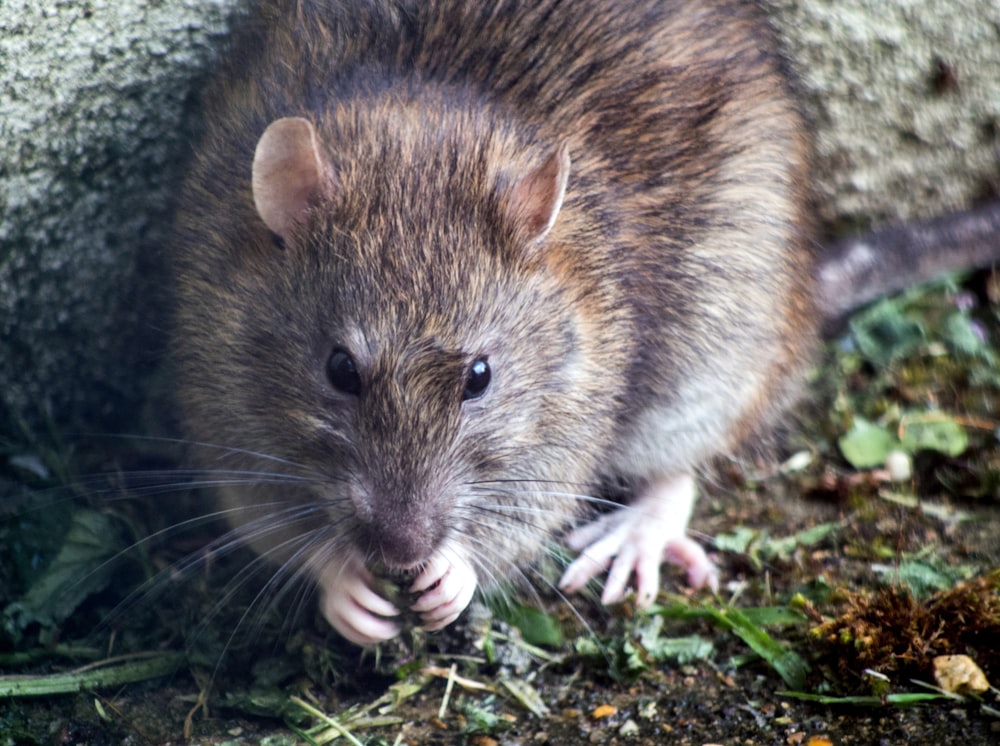
There is also the matter of cleanliness. Even if you trap the mice inside, their droppings and nesting materials contaminate insulation, stored food, and surfaces. Cleaning up after an infestation is labor-intensive and unpleasant. Exclusion avoids that mess entirely.
What to Expect from a Professional Exclusion Service
A thorough exclusion job starts with an inspection. The technician will walk the perimeter of the house, check the attic, crawlspace, and basement, and look for any gap larger than a quarter of an inch. They will also check areas that are hard to see, like behind bushes or under decks. Once entry points are identified, the technician will select the right sealing material for each. That might mean stuffing steel wool into a crack and covering it with caulk, or cutting a piece of hardware cloth to fit over a foundation vent.
Structural repairs are sometimes necessary. If a garage door has a gap along the bottom, the seal may need to be replaced. If a window frame is rotted, it might need to be rebuilt. These repairs are part of the exclusion process because they eliminate the opening rather than just covering it temporarily.
After the sealing is complete, the technician will usually set a few monitoring traps inside to catch any mice that were already inside before the seal was finished. This is where tools like Victor Electronic Traps or snap traps come back into play. But the goal is that within a few days, the traps stop catching anything because no new mice are entering.
One thing I always tell homeowners is to expect a follow-up. Mice can be persistent, and a single missed gap can let them back in. A good service will include a return visit a few weeks later to check that the seals are holding and that no new activity has appeared.
Why Prevention Beats Reaction Every Time
There is a saying in pest control: you cannot trap your way out of an infestation if the door is still open. mouse exclusion services give you a way to close that door for good. Instead of spending every season fighting the same battle, you invest once in a solution that keeps working.

For homeowners in Cleveland, Tennessee, where the climate supports rodent activity year-round, exclusion is not a luxury. It is the most cost-effective way to protect a home. The materials are affordable, but the expertise to apply them correctly makes the difference. A professional knows where mice are most likely to enter and which sealing materials will last. They also know how to work around the specific construction of your house, whether it has a crawlspace, a basement, or a slab foundation.
If you are tired of finding droppings in the pantry or hearing scratching in the walls, consider starting with a thorough exclusion. It may not be the most dramatic step, but it is the one that actually stops the problem. That is why mouse exclusion services are the backbone of any serious rodent management plan.
Taking the time to seal your home properly will save you money, reduce stress, and keep your family safer. And when winter comes, you will be glad you did not have to worry about what might be scurrying through the walls.